The short answer
Cosmetic bonding uses tooth-colored composite resin, sculpted by hand and hardened with a curing light, to repair chips, close small gaps, even out edges and cover discoloration. Most bonding at Pacific Dental Group is completed in a single visit without numbing or drilling, making it one of the most affordable ways to improve a smile.
- Visits
- Usually 1
- Numbing
- Rarely needed
- Lifespan
- 5–7 years
- Reversible
- Often, yes
Who composite bonding is right for
- A chipped front tooth
- A small gap between front teeth
- Uneven or short edges
- Teens or adults who want a budget-friendly upgrade
What to expect, step by step
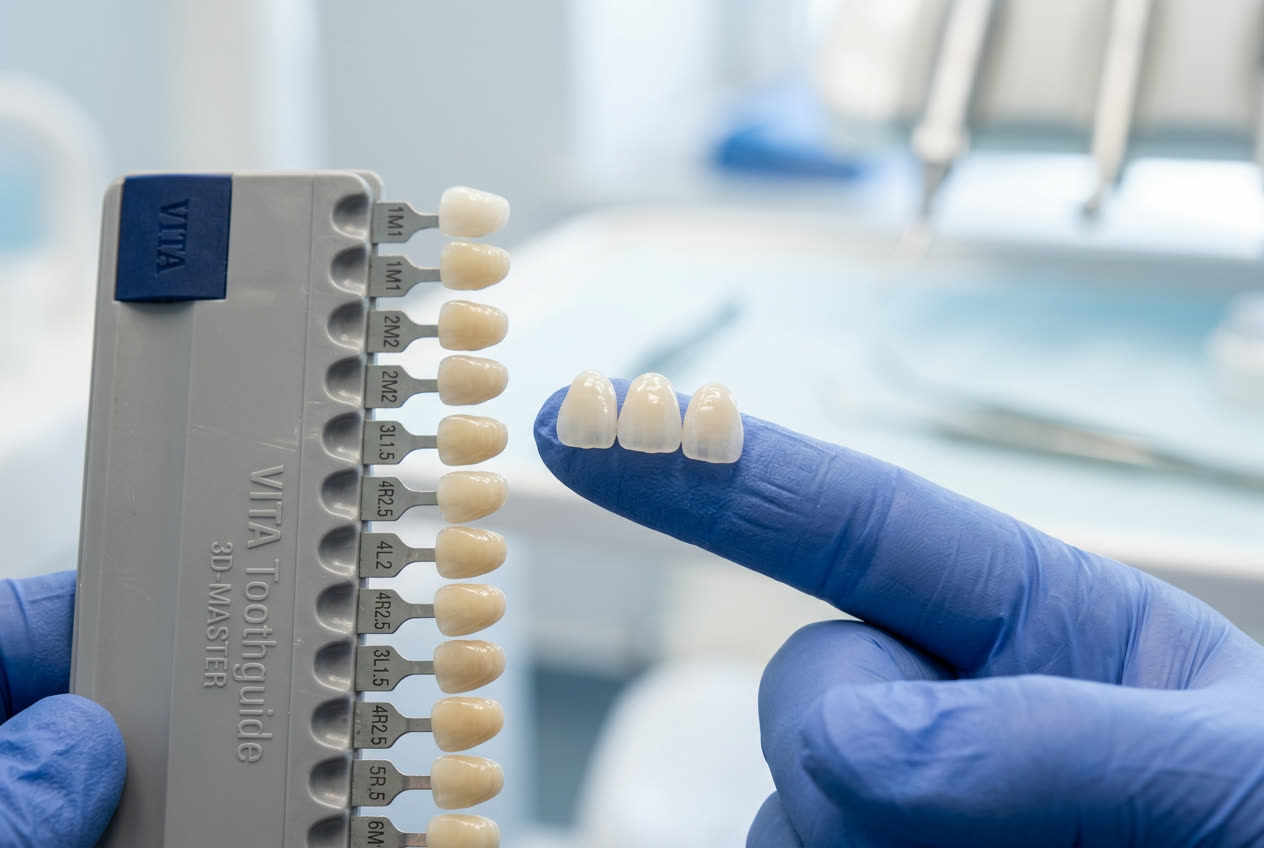
Shade match
We select composite shades that blend with your enamel.
Prepare
The surface is lightly roughened so the bond grips.
Sculpt
Resin is layered and shaped by hand.
Polish
We cure, refine and polish to a natural luster.
Is bonding a good alternative to veneers?
For small changes on one to four teeth, bonding often delivers 80% of the look at a fraction of the cost. It is also additive, meaning little or no enamel is removed.
The trade-off is longevity and stain resistance: composite can pick up coffee stains and may need refreshing after several years, while porcelain veneers hold up longer.
Composite Bonding cost in Montebello
Bonding to repair a chip may be partly covered by insurance; purely cosmetic bonding usually is not. We quote per tooth before treatment.
Most major PPO plans and Denti-Cal accepted. Cash and card patients welcome, with financing for qualifying patients. See insurance & financing.
Composite Bonding FAQs
Does tooth bonding hurt?
Usually not. Most cases don’t require any anesthetic.
How do I care for bonded teeth?
Brush and floss normally, avoid biting fingernails or pens, and limit dark drinks in the first 48 hours.
Can bonding be whitened?
No, so if you plan to whiten, do it before bonding so we can match the new shade.
Can bonding close a gap?
Yes, small gaps between front teeth are one of the most common reasons for bonding.
Medically reviewed by Dr. Lina Shahinyan, DDS, MS· Source: ADA MouthHealthy — Bonding